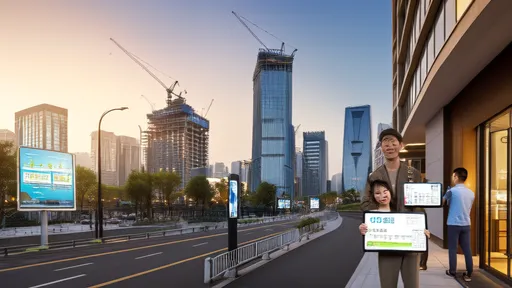
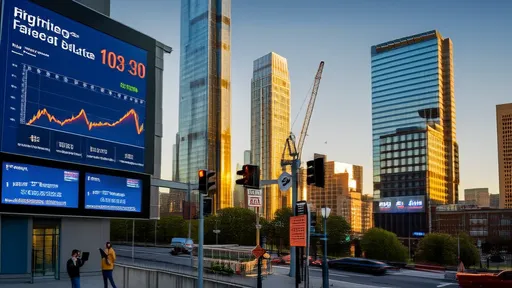
The Chinese real estate market, long considered a cornerstone of the nation's economic ascent, is exhibiting nascent yet discernible signs of stabilization and improvement after a protracted period of downturn and regulatory tightening. This subtle shift is not merely a statistical blip but is gradually reshaping investor sentiment and strategic outlooks towards one of the world's most scrutinized asset classes. The narrative is evolving from one of pervasive caution to a more nuanced story of selective opportunity and long-term realignment.
Following a series of stringent policy measures designed to curb excessive leverage and speculative buying, the market entered a corrective phase that tested the resilience of developers and investors alike. However, recent months have witnessed a calibrated easing of policies by central and local governments, aimed at supporting genuine demand and preventing systemic risk. Measures such as reductions in mortgage rates, lower down-payment requirements for first-time homebuyers in major cities, and targeted financial support for credible developers to complete pre-sold projects are beginning to filter through the system. These actions have injected a degree of confidence, suggesting that the regulatory storm may have passed its peak, paving the way for a more balanced and sustainable growth trajectory.
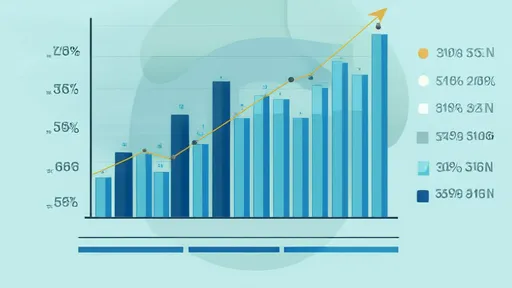
The most tangible improvements are emerging in the primary market within key tier-one and select tier-two cities. Sales volumes in these economically robust hubs have shown a consistent month-on-month recovery, albeit from a depressed base. This resurgence is largely driven by pent-up demand from end-users and upgraders who had adopted a wait-and-see approach during the market's uncertainty. The release of this demand indicates a underlying structural need for quality housing that remains fundamentally intact, supported by ongoing urbanization and aspirations for improved living standards among China's growing middle class.
Furthermore, the price discovery mechanism appears to be normalizing. The drastic discounts and panic-selling that characterized the market's nadir have subsided, replaced by a more orderly process where pricing is increasingly reflective of location, quality, and developer credibility. This return to rationality is a critical health indicator. It suggests that buyers are making more informed decisions based on intrinsic value rather than speculative momentum, which lays a firmer foundation for future price stability.
From an investment perspective, these emerging trends carry profound implications. The era of guaranteed, high-return bets on any real estate asset across China is unequivocally over. The new paradigm demands a highly selective and research-intensive approach. The key differentiator will be quality—both in the underlying asset and the developer behind it. Investors are now sharply differentiating between state-backed or financially sound private developers and their over-leveraged counterparts. Assets in prime locations within cities boasting strong population inflows, diverse economic bases, and good public infrastructure are likely to demonstrate greater resilience and appreciation potential.
The investment universe is also expanding beyond traditional residential property. The crisis has accelerated a shift towards alternative real estate sectors that align with China's broader economic priorities. These include logistics warehouses and cold storage facilities, fueled by the e-commerce and fresh food delivery boom; data centers, supporting the digital economy; and high-quality rental apartment platforms, which are being promoted by policy to provide housing solutions in expensive urban centers. These sectors often offer stable, income-generating returns and are less susceptible to the cyclical policy interventions that affect the residential market.
For foreign investors, navigating this landscape requires a renewed focus on partnerships and local expertise. Direct investment in development projects remains complex. Instead, avenues such as joint ventures with established local players, investments in real estate-focused funds managed by firms with deep on-the-ground experience, or purchasing bonds or shares of listed, well-capitalized developers may provide more efficient and less risky exposure to the market's recovery. The mantra is no longer about betting on the market's direction, but about identifying the right operators and the right assets within that market.
In conclusion, while the Chinese property sector is not poised for a return to the dizzying growth of its past, the emerging signs of improvement signal a transition towards a more mature and stable phase. This new environment, underpinned by cautious policy support and enduring fundamental demand, presents a different kind of opportunity. It rewards patience, diligence, and a focus on sustainable value over speculative gain. For the discerning investor, the gradual healing of the world's second-largest real estate market offers a compelling, though complex, narrative for the years ahead.

By /Aug 28, 2025

By /Aug 28, 2025
By /Aug 29, 2025

By /Aug 28, 2025
By /Aug 28, 2025
By /Aug 29, 2025

By /Aug 29, 2025

By /Aug 28, 2025
By /Aug 28, 2025

By /Aug 28, 2025

By /Aug 29, 2025

By /Aug 28, 2025

By /Aug 28, 2025

By /Aug 29, 2025

By /Aug 28, 2025

By /Aug 28, 2025

By /Aug 28, 2025

By /Aug 29, 2025

By /Aug 28, 2025

By /Aug 28, 2025
