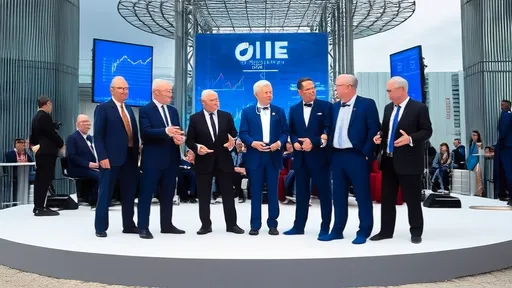
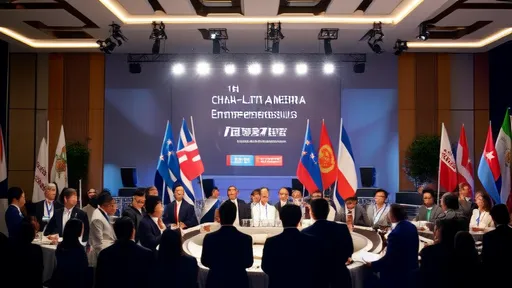
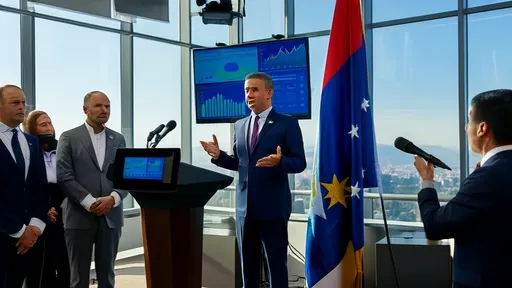
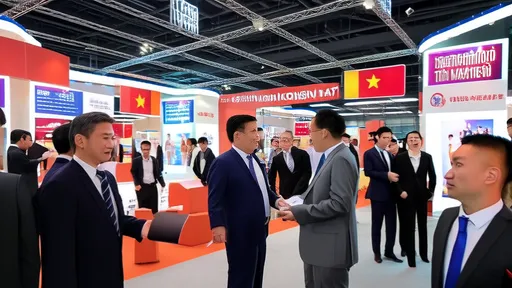
The Zhengzhou International Convention Center buzzed with an electric energy that seemed to mirror the very topic dominating the conversations within its halls. The 17th China-LAC Business Summit, a cornerstone of economic dialogue between the world's second-largest economy and the resource-rich Latin American and Caribbean region, officially opened its doors, with a clear and powerful current running through the proceedings: the accelerated drive towards collaboration in new energy vehicles (NEVs) and the broader green technology sector. The air was thick with a sense of pivotal opportunity, a collective understanding that the global energy transition is not just an environmental imperative but an unprecedented economic opening.
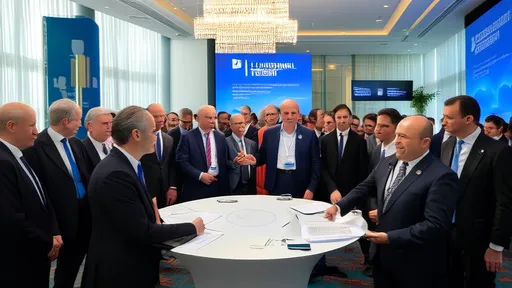
Delegates from Argentina, Brazil, Chile, and Mexico, nations sitting on vast reserves of the lithium and copper essential for the batteries powering the electric revolution, mingled with executives from Chinese NEV giants like BYD, NIO, and CATL. The handshakes and exchanged business cards were more than mere formalities; they were the initial connections in what many hope will become a robust and symbiotic supply chain, stretching from the salt flats of the Atacama to the high-tech assembly lines in Shenzhen. The atmosphere was one of pragmatic optimism, fueled by a shared recognition of complementary needs and capabilities.
The timing of this intensified focus is far from coincidental. Latin America finds itself at a critical juncture. Many of its economies, historically reliant on commodity exports, are actively seeking to diversify and move up the value chain. The global push for decarbonization has positioned the region's mineral wealth as a strategic asset for the 21st century. Meanwhile, China, having established a commanding lead in the NEV market, is looking to secure a resilient and long-term supply of critical raw materials to feed its manufacturing prowess and sustain its technological edge. This summit serves as the premier platform to align these parallel strategic interests.
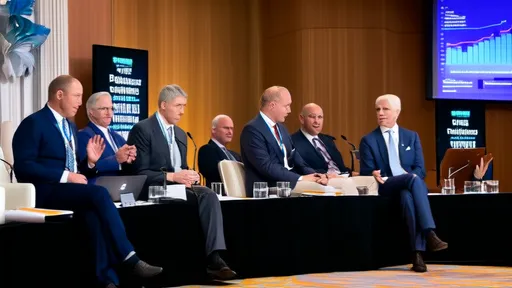
"We are not merely talking about buying and selling cars," a senior Brazilian trade official remarked during a panel discussion, asking not to be named as he was not authorized to speak publicly. "We are discussing the construction of an entirely new industrial ecosystem. This involves joint ventures in lithium processing, technology transfers for battery production, and potentially, down the line, the establishment of localized assembly plants. China has the technology and the capital. We have the resources and the growing market. The synergy is obvious." His comments reflected a broader sentiment among LAC delegates, who are increasingly focused on securing partnerships that bring more than just export revenue.
For Chinese companies, the appeal is multifaceted. Latin America offers not only a treasure trove of critical minerals but also a promising consumer market with growing middle-class populations in major economies. While infrastructure for electric vehicles, such as charging networks, is still in its infancy across much of the region, the potential for growth is immense. Establishing a strong brand presence and manufacturing footprint early could yield significant dividends as these markets mature. Furthermore, diversifying supply sources away from other regions adds a crucial layer of security to their complex global operations, insulating them from geopolitical shocks and logistical bottlenecks.
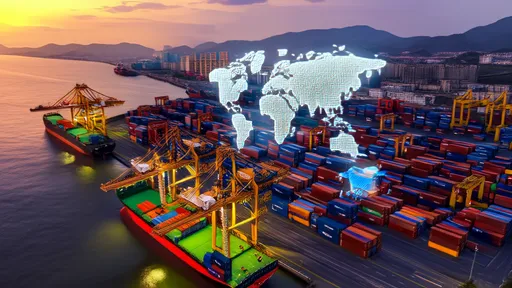
The discussions in Zhengzhou, however, extended beyond the boardroom and into the tangible realm of policy and infrastructure. Several memoranda of understanding were signed, outlining frameworks for cooperation on developing the necessary logistical and energy infrastructure to support a full-fledged NEV industry. This includes plans for "green corridors" – dedicated shipping routes optimized for the transport of battery components and finished vehicles – and collaborative research into smart grid technologies to handle the future load of widespread EV adoption. These are the unglamorous yet vital foundations upon which a transformative partnership is built.
Of course, such a significant geopolitical and economic realignment does not come without its challenges and points of contention. Some analysts and delegates from smaller LAC nations voiced concerns about a repeat of historical patterns, where the region remains a supplier of raw materials without capturing a larger share of the economic value generated by finished, high-tech products. There is a palpable fear of a new "resource curse," this time centered on the green energy transition. The question of environmental standards and sustainable mining practices also looms large, with civil society groups closely watching the developments.
In response to these concerns, Chinese representatives have emphasized a commitment to a "win-win" model of cooperation. They point to existing projects, such as a joint venture in Chile that combines Chinese battery technology with local lithium extraction, creating higher-value exports for the host country and a stable, ethically sourced supply for the Chinese partner. The rhetoric in Zhengzhou was consistently framed around partnership, sustainability, and shared prosperity, aimed squarely at alleviating these very anxieties. The success of this ambitious venture will ultimately be measured by its ability to distribute benefits equitably and foster genuine industrial development in Latin America, rather than simply creating a new dependency.
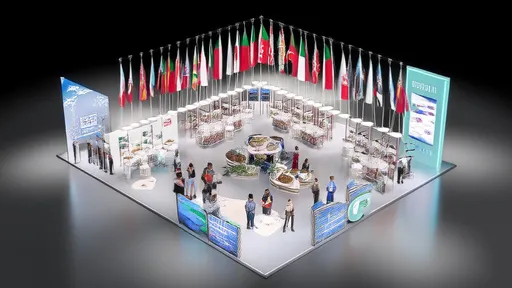
Beyond the high-level agreements and corporate deal-making, the summit facilitated countless smaller, yet equally significant, interactions. Engineers from a Mexican auto parts manufacturer spent an hour deep in technical conversation with a team from a Chinese battery management systems firm. Representatives from a Uruguayan startup specializing in renewable energy storage found a potential investor in a Shanghai-based venture capital fund. These micro-level connections are the capillaries that will carry the lifeblood of this new partnership, translating grand strategy into operational reality.
As the first day of the summit drew to a close, the consensus among attendees was that a new chapter in China-LAC relations is being written. The focus has decisively shifted from traditional commodities to the frontiers of green technology. The collaboration on New Energy Vehicles is the most visible spearhead of this shift, but it is part of a much larger tapestry that includes renewable energy, digital infrastructure, and sustainable agriculture. The path forward is complex, fraught with both opportunity and risk, but the collective will demonstrated in Zhengzhou suggests that both China and Latin America are betting big on a shared, electric future. The world will be watching to see if this powerful alliance can truly deliver a model of cooperation that is both prosperous and sustainable for all parties involved.
By /Nov 4, 2025

By /Nov 4, 2025

By /Nov 4, 2025

By /Nov 4, 2025

By /Nov 4, 2025
By /Nov 4, 2025

By /Nov 4, 2025
By /Nov 4, 2025

By /Nov 4, 2025
By /Nov 4, 2025

By /Nov 4, 2025

By /Nov 4, 2025

By /Nov 4, 2025
By /Nov 4, 2025

By /Nov 4, 2025
By /Nov 4, 2025

By /Nov 4, 2025

By /Nov 4, 2025
By /Nov 4, 2025
By /Nov 4, 2025
