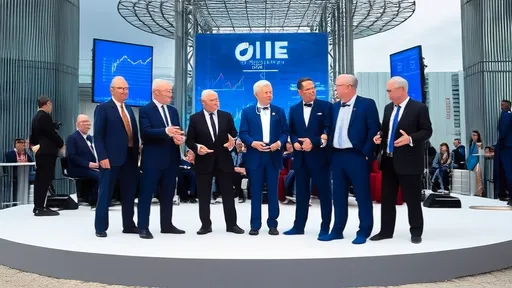
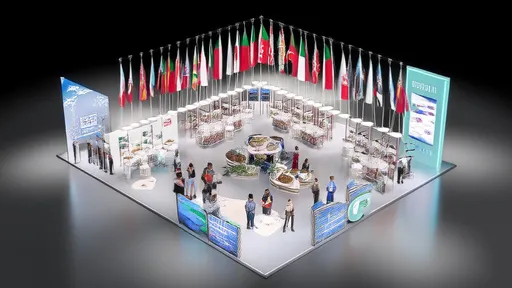
The autumn breeze in Hanoi carries more than the scent of lotus flowers these days—it brings the palpable energy of global commerce as the Vietnam Autumn Expo emerges as the newest nexus for international business collaboration. With participation from 34 countries and over 3,000 exhibition spaces, this year's event has transformed from a regional trade show into a truly global marketplace where East meets West, tradition shakes hands with innovation, and business partnerships blossom across continents.
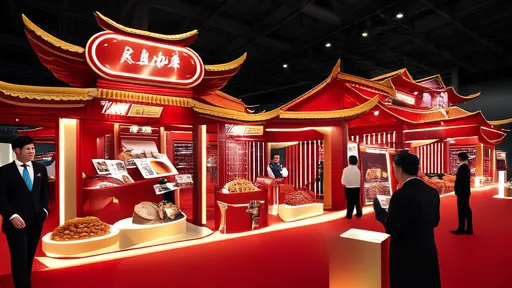
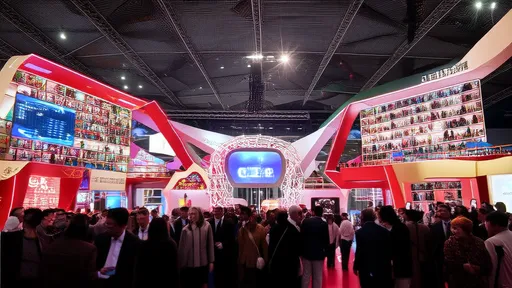
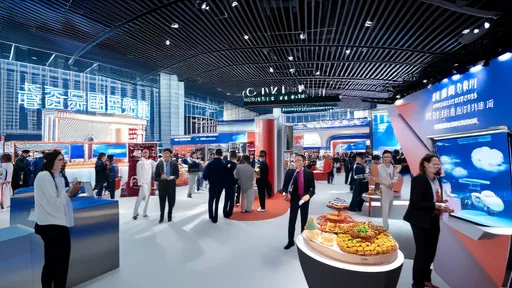
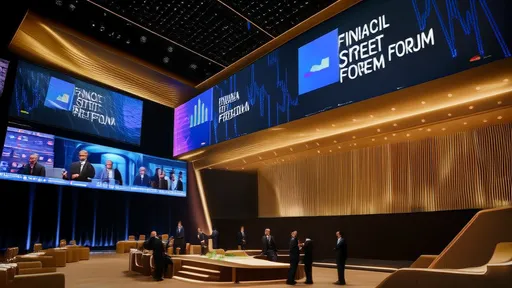
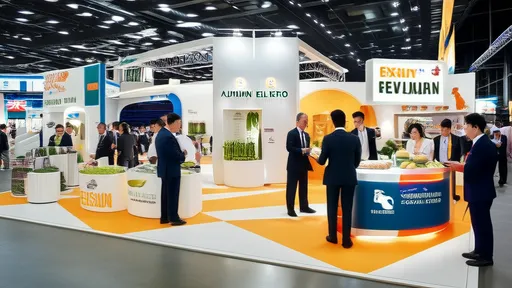
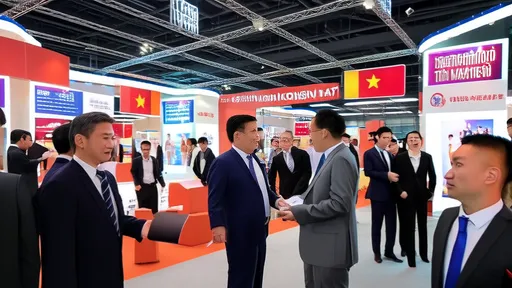
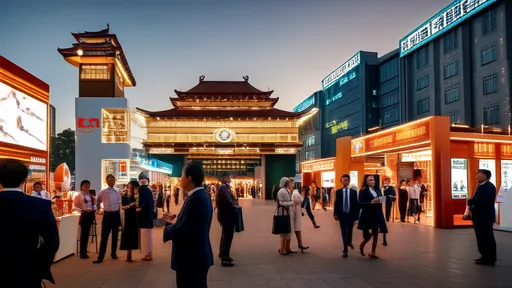
The sprawling exhibition grounds buzz with activity from dawn till dusk, creating what veteran attendees describe as a "United Nations of commerce." Walking through the packed aisles, one hears a symphony of languages—Vietnamese negotiating with German engineers, Japanese executives discussing logistics with Brazilian suppliers, American tech entrepreneurs explaining their products to Middle Eastern investors. The diversity isn't merely geographical; it represents the comprehensive nature of modern global trade, where digital platforms coexist with traditional craftsmanship, and sustainable solutions stand alongside industrial machinery.
What makes this year's expo particularly remarkable is its timing and context. As global supply chains continue their post-pandemic restructuring and companies seek to diversify their manufacturing bases beyond China, Vietnam has positioned itself as the ideal alternative. The country's strategic location in Southeast Asia, combined with its young, dynamic workforce and progressive trade policies, has made it the destination of choice for businesses looking to establish or expand their Asian footprint. The expo serves as both showcase and catalyst for this transformation, providing the physical space where these global shifts become tangible business opportunities.
The scale of participation speaks volumes about Vietnam's rising importance in the global economic landscape. European nations have brought their signature precision engineering and green technology solutions, while North American companies showcase cutting-edge digital platforms and agricultural innovations. Asian participants range from Japan's robotics specialists to South Korea's consumer electronics giants, each finding eager audiences among the Vietnamese business community and international visitors alike. The strong representation from ASEAN neighbors underscores the region's growing economic integration and Vietnam's leadership role within this bloc.
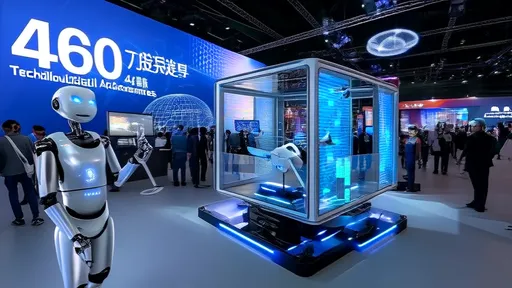
Beyond the numbers and geographical diversity, the true story lies in the quality of engagement happening throughout the venue. In the technology pavilion, startups from Silicon Valley demonstrate their latest AI solutions to manufacturing executives from Central Europe. Nearby, in the agricultural section, Vietnamese coffee producers sample their premium beans to Scandinavian importers while discussing sustainable farming practices. The fashion and textile areas see Italian designers examining Vietnamese silk alongside French luxury brand representatives, all marveling at the craftsmanship while negotiating supply agreements.
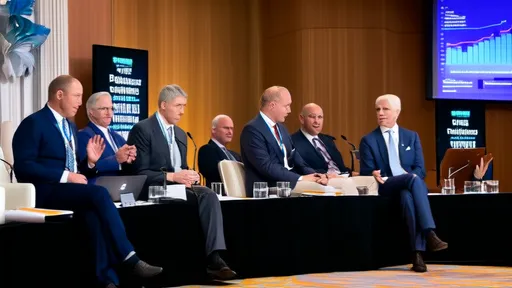
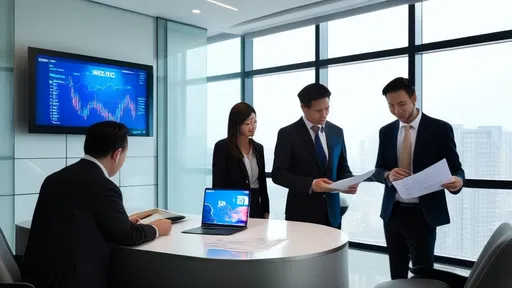
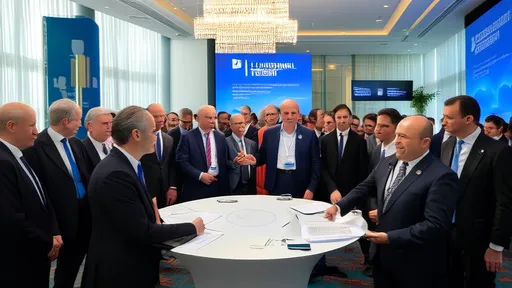
The business matching program, a highlight of this year's expo, has been particularly successful in facilitating meaningful connections. Unlike traditional trade shows where participants might exchange business cards and move on, the organized matchmaking sessions ensure that companies with complementary needs and offerings find each other efficiently. The system, powered by both AI algorithms and human expertise, has already resulted in numerous signed memorandums of understanding, with many more deals expected to materialize in the coming weeks.
Vietnamese companies themselves demonstrate how far the country has come in its economic development journey. No longer just suppliers of raw materials or low-cost labor, they now showcase sophisticated manufacturing capabilities, innovative product designs, and globally competitive technologies. From automotive components that meet European standards to software solutions serving international clients, Vietnamese businesses prove they're ready to compete on the world stage. This evolution reflects years of strategic investment in education, infrastructure, and industrial upgrading—investments that are now paying dividends in the form of higher-value exports and more equitable international partnerships.
The expo also serves as a platform for addressing global challenges through business collaboration. Sustainability emerges as a recurring theme across sectors, with numerous exhibitors highlighting their environmental credentials and commitment to responsible business practices. German solar energy companies find eager partners among Vietnamese industrial parks looking to transition to renewable power. Canadian clean technology firms demonstrate water purification systems to municipalities across Southeast Asia. Even in traditional sectors like manufacturing and agriculture, the conversation consistently turns to reducing environmental impact while maintaining competitiveness.
Digital transformation represents another major focus area, with technology providers from various countries showcasing solutions tailored to the Vietnamese market and beyond. Cloud computing services, e-commerce platforms, fintech applications, and industrial automation systems attract steady streams of visitors looking to upgrade their operations. The interest isn't one-directional either—Vietnamese tech companies present their own innovations, particularly in areas like mobile payments and educational technology, drawing interest from international partners seeking to adapt these solutions for their home markets.
The human element remains central to the expo's success, despite the increasingly digital nature of global business. Business relationships that begin with video calls and email exchanges find their fulfillment in face-to-face meetings at the event. The cultural exchange happening alongside commercial discussions enriches the experience for all participants. International visitors gain deeper understanding of Vietnam's business culture and consumer preferences, while Vietnamese companies learn to navigate the expectations and requirements of diverse international markets.
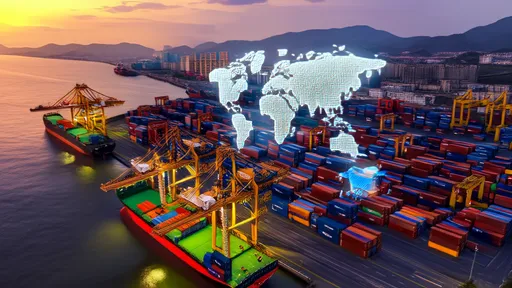
Infrastructure developments surrounding the event highlight Vietnam's commitment to supporting this growing international role. New highways connect the exhibition center to ports and industrial zones, while upgraded airports welcome direct flights from an expanding list of international destinations. The supporting ecosystem of logistics providers, financial services, and professional consultants has matured significantly, making it easier than ever for foreign companies to establish and operate successful ventures in Vietnam.
As the sun sets on another productive day at the expo, the conversations continue in hospitality suites, restaurants, and informal gatherings throughout Hanoi. The relationships being forged extend beyond immediate business transactions, creating networks of trust and mutual understanding that will support trade and investment flows long after the exhibition banners come down. This human infrastructure, built through shared meals, thoughtful conversations, and genuine cultural exchange, may prove as valuable as any signed contract.
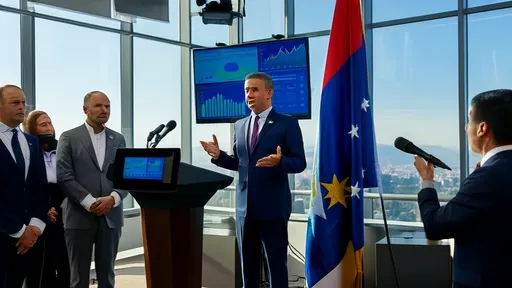
The success of this year's Vietnam Autumn Expo sends a clear message to the global business community: Vietnam has arrived as a major player in international trade and investment. The country offers not just manufacturing capacity or market access, but genuine partnership opportunities based on shared growth and innovation. As companies worldwide rethink their global footprints in response to changing economic realities, Vietnam presents itself as a stable, dynamic, and forward-looking choice for long-term collaboration.
Looking ahead, the connections made at this year's event will ripple across global supply chains, consumer markets, and innovation ecosystems. The partnerships formed between Vietnamese and international companies will create new products, services, and business models that reflect the best of multiple worlds. And as participants return to their home countries, they carry with them not just business contracts, but renewed optimism about the potential for international cooperation to drive prosperity and progress across borders.
The Vietnam Autumn Expo has truly become more than just a trade show—it represents the new face of globalization, where emerging economies don't just participate in global trade but help shape its future direction. As one European delegate remarked while watching the sunset over West Lake after a successful day of meetings, "This isn't just business—it's the beginning of something much bigger." And indeed, with 34 countries and thousands of companies finding common purpose in Hanoi, the world feels both smaller and full of greater possibilities.
By /Nov 4, 2025
By /Nov 4, 2025
By /Nov 4, 2025
By /Nov 4, 2025
By /Nov 4, 2025
By /Nov 4, 2025
By /Nov 4, 2025
By /Nov 4, 2025
By /Nov 4, 2025
By /Nov 4, 2025

By /Nov 4, 2025
By /Nov 4, 2025
By /Nov 4, 2025
By /Nov 4, 2025
By /Nov 4, 2025
By /Nov 4, 2025
By /Nov 4, 2025
By /Nov 4, 2025
By /Nov 4, 2025
By /Nov 4, 2025
