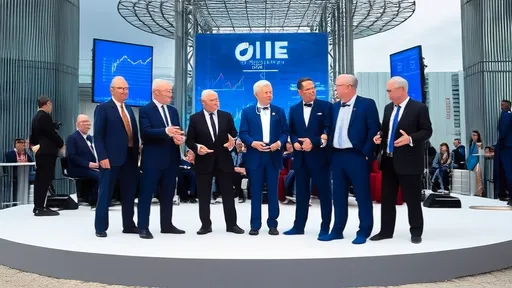
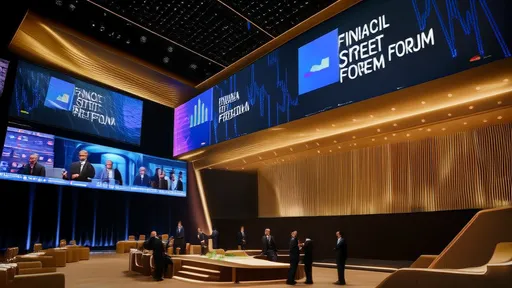
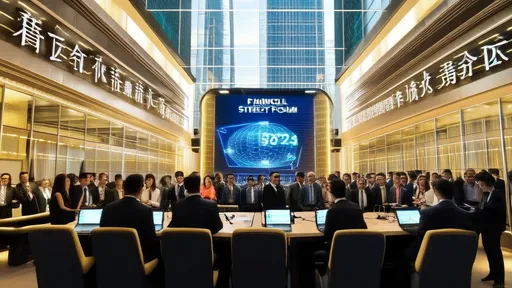
The upcoming China International Import Expo (CIIE) is set to host an unprecedented gathering of intellectual brilliance as eight Nobel laureates prepare to grace the Hongqiao Forum, creating what organizers are calling a "historic convergence of global minds." This distinguished assembly represents one of the most significant concentrations of Nobel Prize winners ever to convene at a single trade event, signaling the forum's growing stature in addressing global challenges through international cooperation.
The confirmed participants span multiple Nobel categories including Economics, Peace, Physics, and Chemistry, each bringing their unique expertise to discussions about fostering open collaboration in an increasingly fragmented global landscape. Their collective presence underscores the forum's commitment to bridging scientific advancement with economic development and international diplomacy. The laureates represent diverse geographical backgrounds, with experts coming from Europe, North America, and Asia, creating a truly global dialogue about shared challenges and opportunities.
Dr. Paul Romer, the 2018 Nobel laureate in Economic Sciences, will bring his pioneering work on endogenous growth theory to discussions about technological innovation and global economic integration. His participation is particularly relevant given current debates about how nations can collaborate on technology development while managing intellectual property concerns. Romer's previous work on charter cities and economic development patterns offers valuable insights for developing nations seeking to benefit from global knowledge exchange.
Joining him is Dr. Muhammad Yunus, the 2006 Nobel Peace Prize winner known for his revolutionary microcredit system that has lifted millions from poverty. His perspective on inclusive economic development and social business models provides crucial balance to discussions about ensuring that open markets benefit all segments of society. Yunus's work demonstrates how economic cooperation can be structured to address inequality while promoting sustainable development.
The scientific community will be represented by Dr. Donna Strickland, who received the 2018 Nobel Prize in Physics for her groundbreaking work in laser physics. Her presence highlights the critical role of scientific collaboration in driving technological progress. Strickland's research has practical applications across multiple industries, from manufacturing to healthcare, demonstrating how fundamental scientific research can translate into tangible benefits for global trade and development.
Dr. Frances Arnold, the 2018 Nobel laureate in Chemistry, brings expertise in directed evolution of enzymes, with significant implications for sustainable manufacturing and environmental protection. Her work represents the kind of scientific innovation that could help industries worldwide transition toward greener production methods. Arnold's participation emphasizes how scientific cooperation can address pressing environmental challenges while creating new economic opportunities.
The forum comes at a critical juncture in international relations, with rising protectionism and supply chain disruptions creating new barriers to global cooperation. The Nobel laureates are expected to address these challenges directly, offering evidence-based perspectives on how nations can maintain open channels of exchange while navigating complex geopolitical realities. Their collective wisdom provides a powerful counter-narrative to isolationist tendencies, demonstrating through concrete examples how collaboration has historically driven human progress.
Beyond their individual achievements, the laureates represent the power of international scientific and economic collaboration. Many of their groundbreaking discoveries resulted from cross-border partnerships and knowledge sharing, making them living testaments to the benefits of open exchange. Their presence at the forum serves as a powerful reminder that humanity's greatest challenges—from climate change to pandemics to economic inequality—require coordinated global responses.
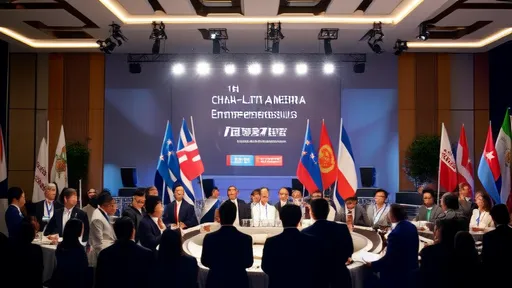
The Hongqiao Forum has consistently served as a platform for high-level dialogue on global trade and economic governance. This year's participation by eight Nobel laureates elevates the discussion to new heights, bringing together some of the world's most respected thinkers to address fundamental questions about how nations can cooperate more effectively. The diversity of perspectives—spanning economics, peace, and multiple scientific disciplines—ensures a comprehensive examination of the opportunities and challenges facing global cooperation.
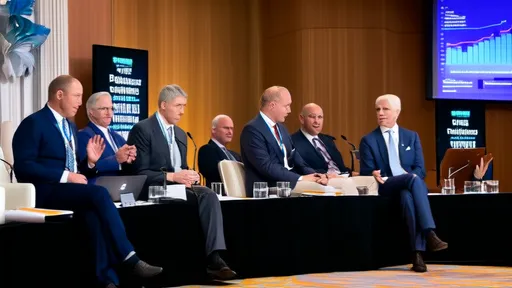
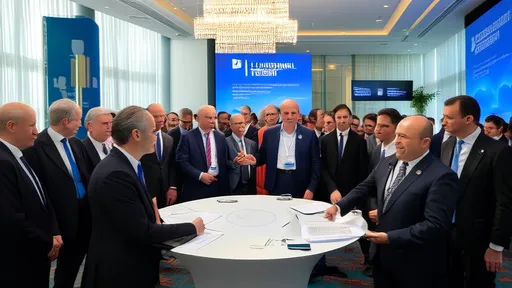
Organizers have structured the forum to maximize interaction between the laureates, business leaders, and policymakers. Rather than delivering isolated speeches, the Nobel winners will participate in moderated dialogues, roundtable discussions, and working sessions designed to generate actionable insights. This interactive format reflects the forum's commitment to producing concrete outcomes rather than merely symbolic exchanges.
The timing of this gathering is particularly significant as nations worldwide grapple with post-pandemic recovery, climate change imperatives, and technological transformation. The laureates' collective expertise offers valuable guidance for policymakers seeking evidence-based approaches to these complex challenges. Their presence signals that solutions to global problems require drawing on the best available knowledge across disciplinary and national boundaries.
Beyond the immediate discussions, the forum aims to establish ongoing mechanisms for engagement between the scientific community, economic experts, and international policymakers. Several of the laureates are expected to announce new research initiatives or collaborative projects emerging from their participation in the event. These lasting partnerships represent one of the forum's most significant potential outcomes, extending its impact far beyond the event itself.
The inclusion of Nobel Peace Prize laureates alongside scientific and economic experts creates a unique opportunity to explore the connections between technological progress, economic development, and global stability. This holistic approach recognizes that sustainable cooperation requires addressing both material and social dimensions of human progress. The laureates' diverse backgrounds enable a more comprehensive discussion of what true "open cooperation" entails in practice.
As the world faces increasing complex challenges that transcend national borders, the Hongqiao Forum's gathering of Nobel laureates represents a powerful statement about the continued relevance of international cooperation. Their collective message is expected to emphasize that while global collaboration faces significant headwinds, the alternative—fragmentation and isolation—poses even greater risks to human progress and planetary health.
The outcomes of these discussions will be closely watched by international organizations, governments, and business leaders worldwide. The laureates' recommendations could influence policy decisions and business strategies across multiple sectors, particularly in areas like technology governance, climate action, and inclusive economic development. Their collective voice carries significant moral and intellectual authority that could help shape the future direction of global cooperation.
Ultimately, this unprecedented gathering represents more than just a high-profile event—it symbolizes the enduring power of human curiosity, collaboration, and the shared pursuit of knowledge. In bringing together some of humanity's most accomplished thinkers, the Hongqiao Forum creates space for the kind of cross-disciplinary dialogue that has historically driven humanity's greatest advances. As the world navigates an increasingly complex future, such gatherings remind us that our collective wisdom remains our most valuable resource.
By /Nov 4, 2025
By /Nov 4, 2025
By /Nov 4, 2025
By /Nov 4, 2025
By /Nov 4, 2025
By /Nov 4, 2025
By /Nov 4, 2025
By /Nov 4, 2025
By /Nov 4, 2025
By /Nov 4, 2025
By /Nov 4, 2025
By /Nov 4, 2025
By /Nov 4, 2025
By /Nov 4, 2025
By /Nov 4, 2025
By /Nov 4, 2025
By /Nov 4, 2025
By /Nov 4, 2025
By /Nov 4, 2025
By /Nov 4, 2025
