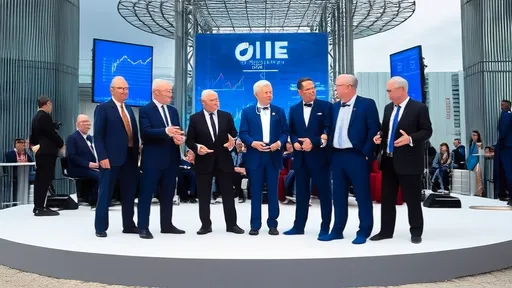
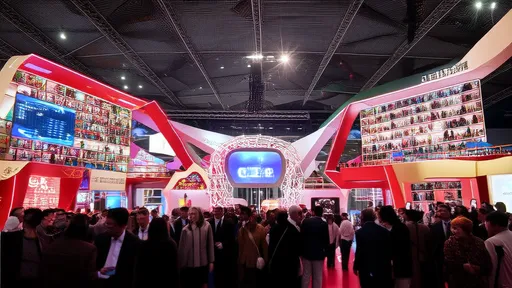
Against the backdrop of global economic uncertainty, the China International Import Expo (CIIE) has emerged as a transformative platform that redefines international trade dynamics. Now in its sixth edition, the world's first import-themed national-level expo has evolved beyond its original mandate of importing foreign goods into China, strategically positioning itself as the definitive gateway for global businesses seeking access to China's vast consumer market.
The concept of "Exporting to China" has taken center stage at this year's expo, with organizers deliberately shifting the narrative from simply facilitating imports to actively building what they term the "Export to China" brand. This strategic pivot represents a significant evolution in China's approach to international trade, signaling the country's commitment to sharing market opportunities with global enterprises while simultaneously upgrading its own consumption market.
From Import Channel to Export Platform
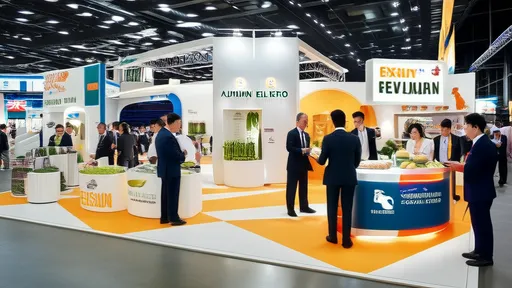
What began as China's commitment to further open its markets has transformed into a sophisticated ecosystem for international market entry. The CIIE has effectively become a launchpad for foreign companies, particularly SMEs from developing countries, to establish their presence in the Chinese market. The expo's unique value proposition lies in its comprehensive approach—it doesn't just showcase products but provides end-to-end solutions for market entry, including regulatory navigation, distribution partnerships, and consumer education.
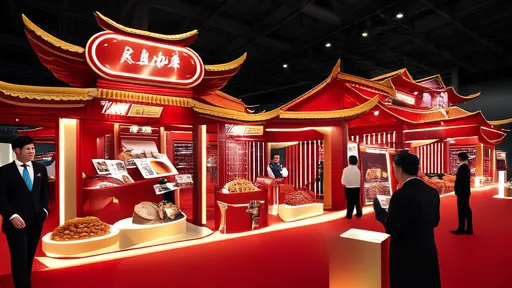
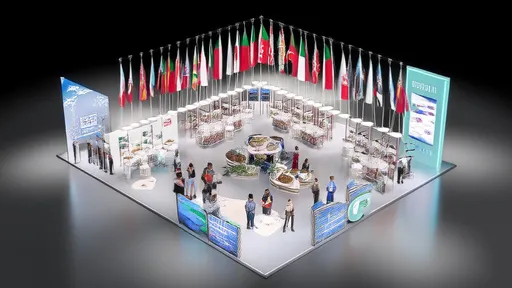
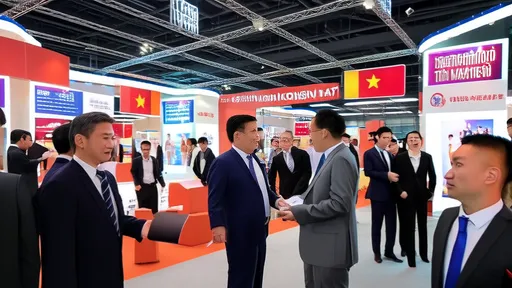
This year's event featured dedicated country pavilions from over 30 nations, many participating for the first time. The Sri Lankan tea exporters' consortium reported securing distribution agreements covering 15 Chinese provinces within the first three days of the expo. "We came hoping to find one or two distributors," said consortium director Ananda Wickramasinghe, "but the response has been overwhelming. The CIIE provided us with immediate access to decision-makers we would have spent years trying to reach through conventional channels."
The Digital Integration Advantage
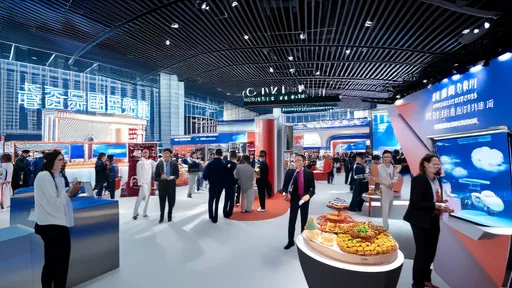
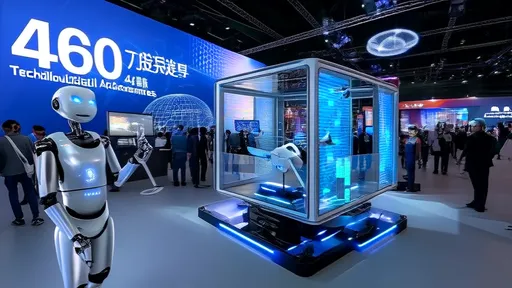
A key innovation distinguishing this year's CIIE is the deep integration of digital platforms with physical exhibitions. The "Digital CIIE" platform, launched as a permanent feature, allows year-round business matching and transaction facilitation. This digital extension has proven particularly valuable for companies navigating China's complex e-commerce landscape, providing them with direct access to major Chinese online retail platforms and live-streaming commerce networks.
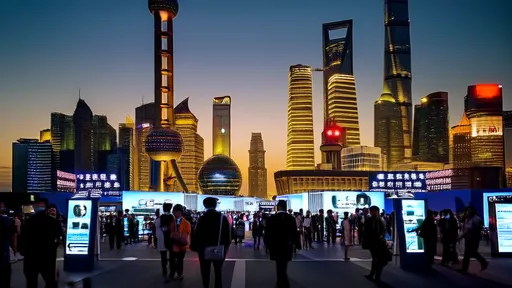
Australian skincare brand "Koala Naturals" utilized the digital platform to conduct pre-expo market testing, adjusting their product formulations and packaging based on real-time consumer feedback. "The data insights we gained before even setting foot in Shanghai were invaluable," remarked CEO Sarah Jenkins. "We entered the physical expo with products already tailored to Chinese consumer preferences, resulting in immediate purchase orders from three major retail chains."
Supply Chain Innovation and Market Adaptation
The CIIE has become a laboratory for supply chain innovation, with foreign companies developing China-specific strategies that often influence their global operations. The expo's business matching services have evolved to include supply chain optimization consultations, helping international companies design distribution networks that can handle China's unique geographical and logistical challenges.
Brazilian coffee producers, for instance, have developed specialized cold chain logistics specifically for the Chinese market through connections made at previous expos. "The CIIE didn't just help us sell coffee to China," explained Brazilian exporter Marco Silva. "It helped us redesign our entire export process to meet Chinese standards and consumer expectations, knowledge we've since applied to other Asian markets."
Policy Transparency and Market Confidence
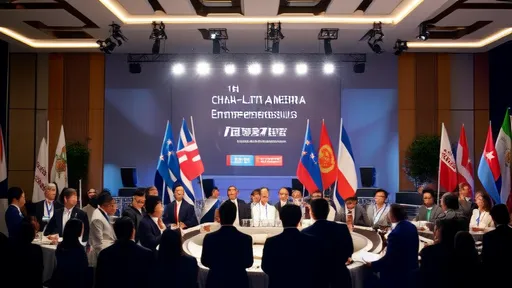
Perhaps the most significant development has been the expo's role in enhancing policy transparency. The concurrent Hongqiao International Economic Forum featured detailed briefings from Chinese regulatory agencies, providing foreign businesses with unprecedented access to policymakers and regulatory interpreters. This transparency has been crucial in building long-term confidence among international exhibitors.
German medical device manufacturer MedTech Global used the forum sessions to navigate China's complex medical device registration process. "The direct access to regulatory officials saved us at least six months in market entry time," noted their Asia-Pacific director Klaus Richter. "This level of policy clarity is rare in international markets and has fundamentally changed our China strategy from cautious testing to committed investment."
Sector-Specific Market Entry Programs
The CIIE has developed specialized programs for different industry sectors, recognizing that market entry challenges vary significantly across categories. The consumer goods section now includes a "retail readiness" program that helps foreign brands understand Chinese retail dynamics, from shelf placement in different retail formats to online visibility optimization.
French artisan cheese producers, who previously considered China a challenging market due to lactose intolerance concerns, discovered unexpected opportunities through the expo's focused food and agricultural section. "The CIIE connected us with food technologists who helped us develop lactose-reduced varieties specifically for the Chinese palate," said Fromagerie Duval's export manager Pierre Lefebvre. "We're now supplying 200 hotels and restaurants across China—a market we had written off as impossible just two years ago."
The Ripple Effect on Global Trade
The "Export to China" brand building extends beyond immediate business transactions. The knowledge and relationships developed at CIIE are creating ripple effects across global supply chains. Many companies report that the China market expertise gained through the expo has helped them improve their operations in other markets, particularly in adapting products and marketing strategies for different consumer preferences.
New Zealand wine exporters, for example, have applied consumer insights gained from Chinese market success to develop new product lines for Southeast Asian markets. "Understanding why certain wine varieties succeeded in China helped us predict trends in Vietnam and Thailand," noted vineyard owner Michael Donovan. "The CIIE became our window not just into China but into Asian consumer behavior patterns more broadly."
Sustainable Trade and Long-term Partnerships
Environmental sustainability and green trade have emerged as unexpected but significant themes at this year's expo. The "Export to China" brand now incorporates strong sustainability elements, with Chinese importers increasingly prioritizing environmentally responsible sourcing. This has created new opportunities for companies with strong green credentials while encouraging others to adopt more sustainable practices.
Scandinavian clean technology companies found particularly receptive audiences at this year's event. "Chinese businesses aren't just looking for products—they're looking for sustainable solutions they can integrate into their own operations," observed Nordic Clean Tech Alliance director Erik Johansson. "The CIIE has become a platform for knowledge exchange about sustainable business practices, creating partnerships that extend far beyond simple buyer-seller relationships."
The Future of "Export to China"
As the CIIE continues to evolve, the "Export to China" brand is expected to become more sophisticated, potentially incorporating elements like cross-border e-commerce integration, intellectual property protection services, and even more specialized market entry pathways for specific product categories. The success of this year's event suggests that the concept has resonated strongly with international businesses seeking predictable, structured access to China's consumer market.
The ultimate achievement of the CIIE may be its transformation of "exporting to China" from a daunting challenge into a structured, accessible process. By creating what amounts to a comprehensive onboarding system for the Chinese market, the expo has democratized access to one of the world's most promising consumer bases. As one veteran trade commissioner observed, "They haven't just opened a door—they've built a highway with clear signage and rest stops along the way."
This systematic approach to market entry represents a new model in international trade facilitation, one that other markets may look to emulate. The CIIE's success in brand-building around "Export to China" suggests that in an era of global economic uncertainty, creating clear, accessible pathways for international business may be the most valuable export of all.
By /Nov 4, 2025
By /Nov 4, 2025
By /Nov 4, 2025
By /Nov 4, 2025

By /Nov 4, 2025

By /Nov 4, 2025
By /Nov 4, 2025
By /Nov 4, 2025
By /Nov 4, 2025
By /Nov 4, 2025

By /Nov 4, 2025
By /Nov 4, 2025
By /Nov 4, 2025
By /Nov 4, 2025

By /Nov 4, 2025
By /Nov 4, 2025
By /Nov 4, 2025
By /Nov 4, 2025
By /Nov 4, 2025
By /Nov 4, 2025
