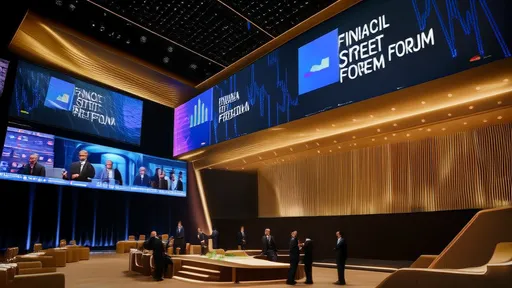
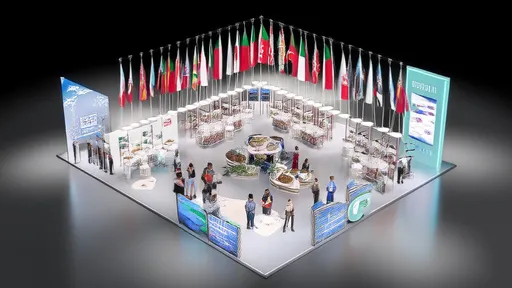
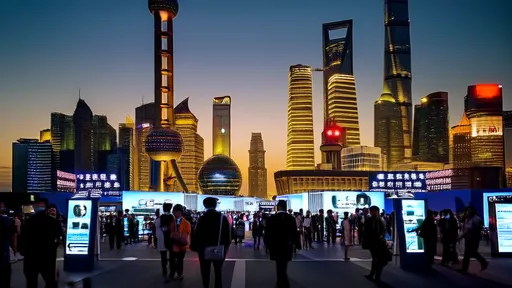
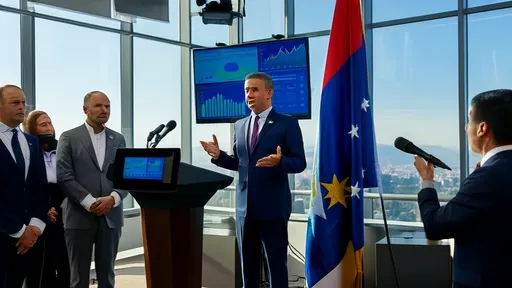
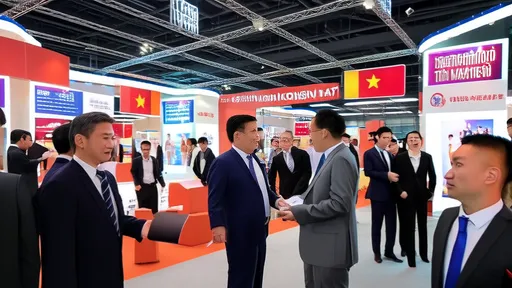
Shanghai has once again demonstrated its world-class organizational capabilities by implementing a comprehensive suite of services and convenience measures for the China International Import Expo (CIIE), creating an unparalleled exhibition experience for global participants. The city's meticulous preparations reflect its commitment to facilitating international trade and strengthening economic cooperation through seamless event execution.
The municipal government launched over sixty specialized service initiatives specifically designed for the expo, covering everything from customs clearance to accommodation logistics. Customs authorities introduced a revolutionary "exhibition-turned-bonded" policy
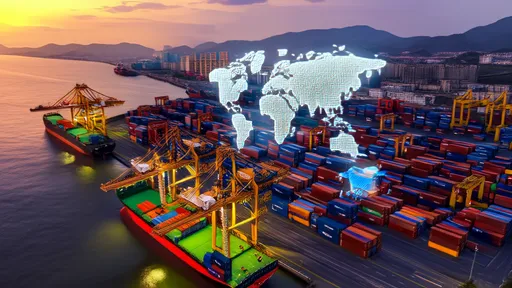
that allows exhibited goods to be directly transferred to bonded warehouses after the event, eliminating the need for re-export procedures. This groundbreaking approach significantly reduces administrative burdens and storage costs for international exhibitors, particularly those testing new markets with high-value products.
Transportation infrastructure received substantial enhancements, with Shanghai's already impressive public transport system adding dedicated CIIE express routes connecting major hotels, exhibition venues, and transportation hubs. The city deployed smart traffic management systems that use real-time data analytics to optimize flow around the National Exhibition and Convention Center, reducing average commute times for attendees by nearly forty percent compared to previous years.
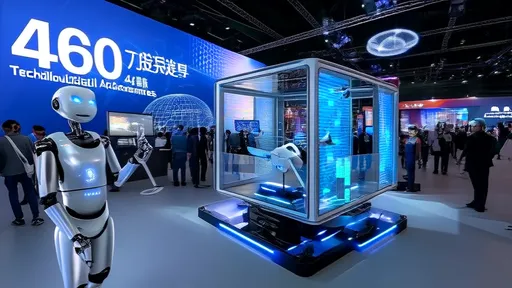
Digital transformation played a pivotal role in streamlining the participant experience. The expo's official mobile application integrated multiple functions including electronic badges, navigation assistance, business matching services, and multilingual support. Artificial intelligence-powered translation services provided instant interpretation for business negotiations, while virtual reality tours allowed remote participants to experience exhibitions in real-time, significantly expanding the event's global reach.
Shanghai's market supervision authorities established a special task force to ensure product quality and intellectual property protection throughout the event. A rapid response mechanism for handling IP disputes enabled resolution within twenty-four hours, giving international companies confidence in showcasing their latest innovations. This robust protection framework has been widely praised by multinational corporations as setting new standards for international exhibitions.
The city's hospitality sector worked closely with expo organizers to provide comprehensive accommodation solutions. Over eight hundred hotels implemented standardized CIIE service protocols, while specialized training programs ensured staff could assist international guests with cultural sensitivity and linguistic competence. A dedicated multi-lingual hotline operated twenty-four hours daily to address any concerns from overseas participants.
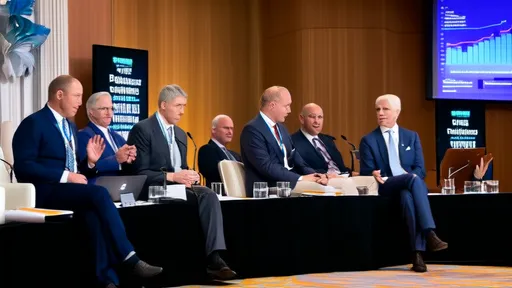
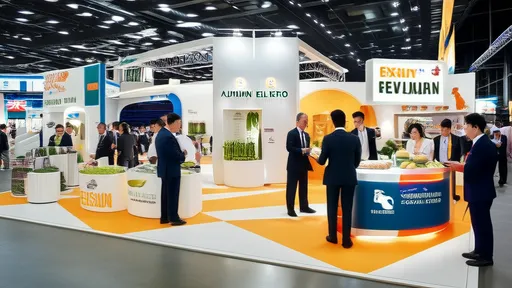
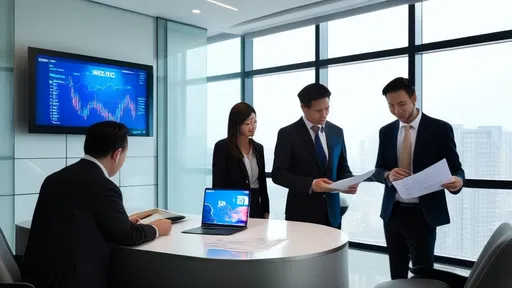
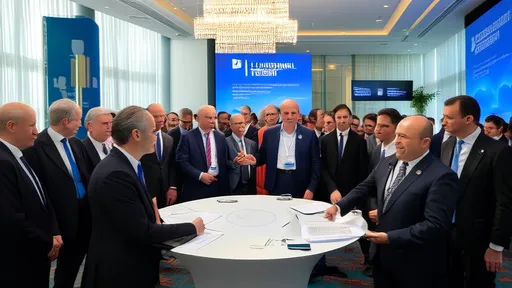
Shanghai's approach to the expo extended beyond mere logistical support to creating meaningful business opportunities. The organizing committee facilitated over twelve hundred matchmaking sessions between international exhibitors and Chinese purchasers, resulting in preliminary procurement agreements valued at unprecedented levels. These business matching services utilized advanced algorithms to identify potential partners based on complementary needs and capabilities.
Environmental sustainability formed a crucial component of Shanghai's expo services. The event implemented comprehensive waste management systems, achieving over ninety percent recycling rates for exhibition materials. Digital documentation largely replaced printed materials, reducing paper consumption by approximately eighty-five percent compared to traditional exhibition standards. Electric vehicle charging stations were installed throughout the venue, supporting the city's broader environmental objectives.
The medical and safety provisions demonstrated Shanghai's commitment to participant wellbeing. Temporary medical stations staffed with English-speaking professionals were established throughout the venue, equipped to handle everything from minor ailments to emergency situations. Sophisticated security systems incorporating facial recognition technology ensured smooth entry procedures while maintaining strict safety standards.
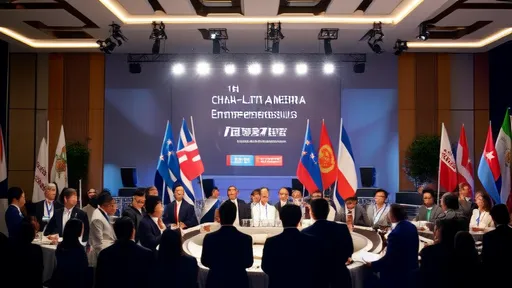
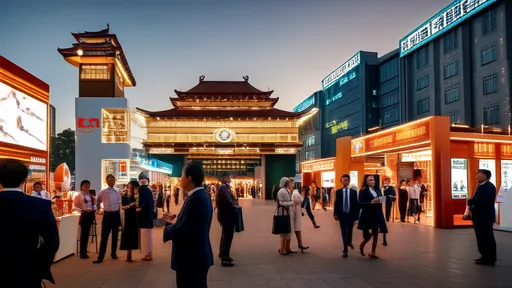
Cultural integration services helped international participants navigate both business and social dimensions of their Shanghai visit. The city organized cultural immersion activities, business etiquette workshops, and networking events that fostered deeper understanding between Chinese hosts and global guests. These initiatives transformed the expo from a purely commercial event into a platform for genuine cross-cultural exchange and relationship building.
Shanghai's food and beverage services catered to diverse international palates while maintaining the highest hygiene standards. Over two hundred dining establishments within and around the venue received specialized training in international cuisine preparation and food safety protocols. The city's renowned culinary scene extended special menus and services for expo participants, showcasing Shanghai's position as a global gastronomic capital.
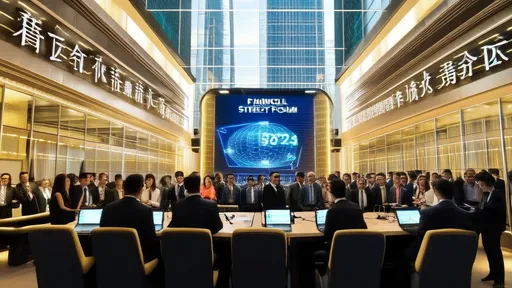
The success of these comprehensive service measures reflects Shanghai's growing expertise in hosting mega-events and its evolving role as a critical node in global trade networks. The city has effectively leveraged the expo as an opportunity to demonstrate its capabilities in international business facilitation while continuously refining its approach based on participant feedback from previous editions.
Post-expo support services further distinguished Shanghai's offering. The municipal government established follow-up mechanisms to help exhibitors transition from temporary participation to establishing permanent operations in China. Specialized teams assisted with business registration, tax compliance, and market entry strategies, ensuring the expo's impact extended far beyond its official duration.
Shanghai's implementation of these sophisticated service measures represents a significant advancement in how global cities host and manage international business events. The comprehensive approach demonstrates how meticulous planning, technological integration, and human-centered design can collectively elevate the experience for all participants while achieving broader economic and diplomatic objectives.
The city's efforts have established new benchmarks for international exhibition services, likely influencing how future events of similar scale will be organized worldwide. As Shanghai continues to refine its formula, the CIIE service model may well become the gold standard for global business gatherings, blending operational efficiency with genuine hospitality in a manner that benefits both international business communities and host cities alike.
By /Nov 4, 2025
By /Nov 4, 2025
By /Nov 4, 2025
By /Nov 4, 2025
By /Nov 4, 2025
By /Nov 4, 2025
By /Nov 4, 2025
By /Nov 4, 2025
By /Nov 4, 2025
By /Nov 4, 2025

By /Nov 4, 2025
By /Nov 4, 2025
By /Nov 4, 2025
By /Nov 4, 2025
By /Nov 4, 2025
By /Nov 4, 2025

By /Nov 4, 2025
By /Nov 4, 2025
By /Nov 4, 2025
By /Nov 4, 2025
