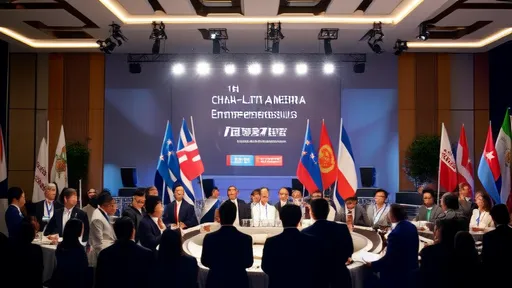
The sixth China International Import Expo has emerged as a powerful catalyst for advancing Belt and Road cooperation, with exhibition participation from 123 partner countries surging to unprecedented levels. This remarkable growth demonstrates how the world's first national-level import-themed exhibition has become a vital platform for economic globalization and shared development.
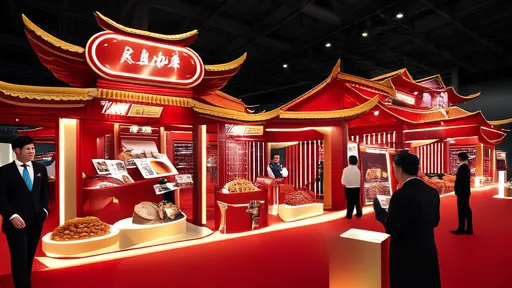
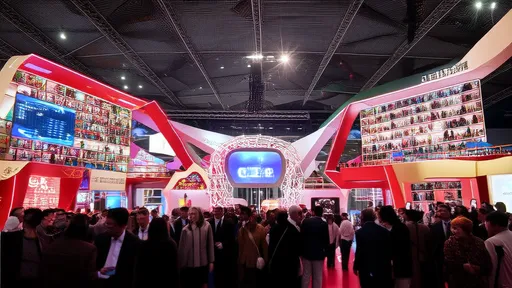
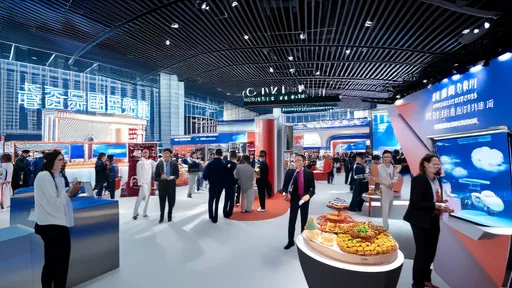
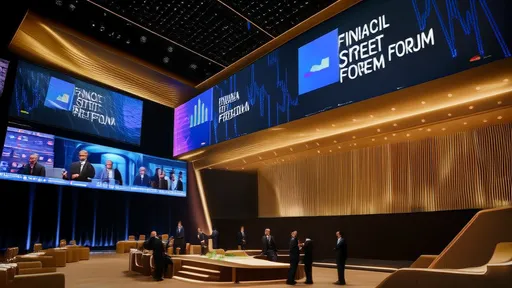
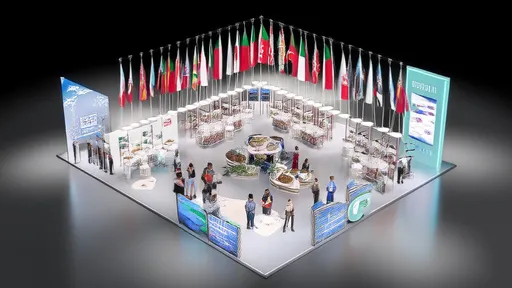
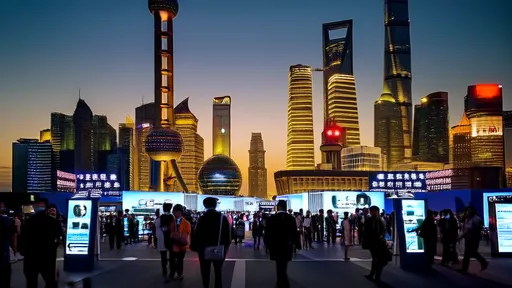
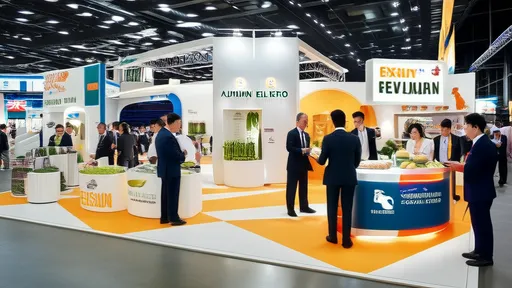
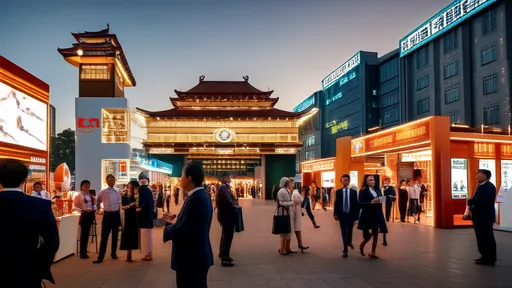
Walking through the sprawling exhibition halls at the National Exhibition and Convention Center in Shanghai, one can feel the vibrant energy of international commerce. The diversity of products—from Serbian honey to Kenyan coffee, from Malaysian palm oil to Chilean wine—creates a sensory tapestry representing centuries of cultural heritage and modern manufacturing capabilities. What began as China's commitment to open markets has evolved into a global marketplace where supply meets demand across continents.
The numbers tell a compelling story. Compared to the inaugural expo in 2018, participation from Belt and Road partner countries has increased by over 150%. This year's event features more than 1,500 enterprises from these nations, occupying nearly 30% of the total exhibition space. The growth isn't merely quantitative; the quality and diversity of exhibits have similarly expanded, with many countries moving beyond raw materials to showcase value-added products and advanced technologies.
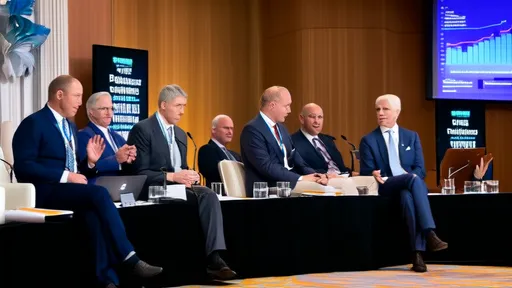
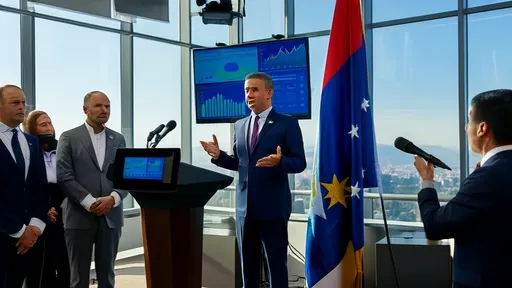
Behind these statistics lies a strategic alignment of visions. The Belt and Road Initiative's emphasis on connectivity and mutual prosperity finds perfect expression in the CIIE's platform. As one veteran trade commissioner from Kazakhstan noted, "The expo provides exactly what we need—direct access to the world's second-largest economy and a chance to build relationships with buyers from across the globe. It's more than an exhibition; it's an economic bridge."
African nations have particularly leveraged this opportunity. Countries like Rwanda, Ethiopia, and Ghana have transformed their participation from simple country pavilions to sophisticated trade missions featuring multiple sectors. Rwandan coffee farmers, for instance, have seen their exports to China grow exponentially since first participating in 2019. The exposure gained at CIIE has helped them understand Chinese consumer preferences and adjust their processing methods accordingly.
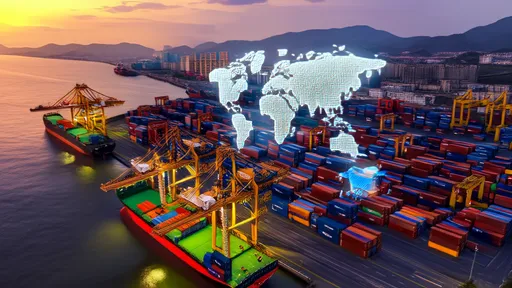
The infrastructure supporting this trade expansion has been equally impressive. Special logistics channels established for the expo ensure that perishable goods from distant countries arrive fresh. Customs clearance procedures have been streamlined, with many products from Belt and Road countries benefiting from preferential trade agreements. These practical measures demonstrate China's commitment to turning policy vision into commercial reality.
What makes this year particularly significant is the participation recovery post-pandemic. Many developing nations faced severe economic challenges during the global health crisis, making their strong return to CIIE even more meaningful. The government of Sri Lanka, for example, organized its largest-ever delegation, viewing the expo as crucial for economic recovery. Their display featured not only traditional tea and spices but also emerging sectors like IT services and tourism.
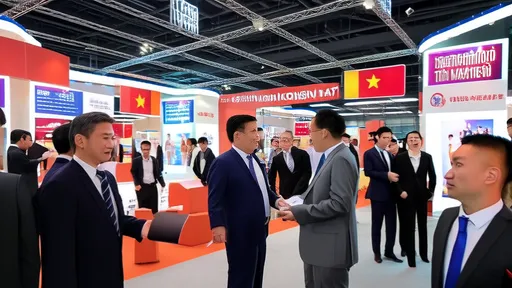
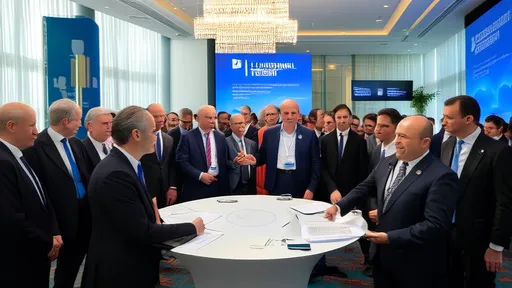
The benefits flow both ways. Chinese companies have discovered new sourcing opportunities and potential investment targets through their interactions with Belt and Road exhibitors. A purchasing manager from a major Chinese retail chain shared, "We've found suppliers here that we wouldn't have encountered through traditional channels. The personal relationships built at the expo often lead to more reliable partnerships than purely digital connections."
Technology transfer represents another dimension of this cooperation. Several Central Asian countries are showcasing agricultural technologies adapted to arid conditions, while Southeast Asian nations present innovations in digital economy applications. These exchanges create learning opportunities beyond simple trade transactions, fostering long-term capacity building.
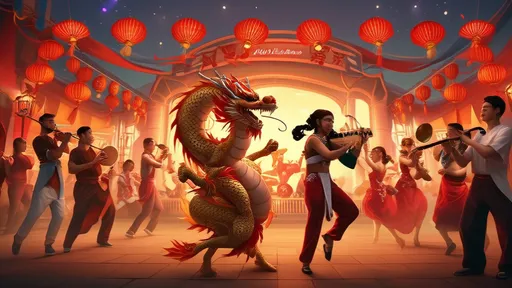
The cultural dimension cannot be overlooked. Beyond business negotiations, the expo serves as a cultural exchange platform. Traditional performances, culinary demonstrations, and artisan workshops help Chinese visitors understand the stories behind the products. This cultural connection often translates into commercial success, as consumers increasingly value the narratives and heritage associated with their purchases.
Looking forward, the momentum shows no signs of slowing. Many participating countries have already reserved larger spaces for next year's expo, and several are planning pre-expo roadshows across China. The success stories emerging from current participants are attracting first-time exhibitors from additional Belt and Road countries.
The CIIE's role in Belt and Road cooperation exemplifies how well-designed platforms can accelerate international economic integration. By reducing information asymmetry, building trust through face-to-face interaction, and providing institutional support, the expo has become much more than an annual event—it's an engine for sustainable global trade relationships.
As the world navigates economic uncertainties and protectionist tendencies, the growing participation of Belt and Road countries in CIIE sends a powerful message about the continued relevance of open markets and international cooperation. The tangible business outcomes achieved here provide concrete evidence that globalization, when structured to include developing economies, can create winners across the board.
The transformation witnessed over six editions of CIIE reflects broader changes in global economic patterns. Developing countries are no longer content to be merely sources of raw materials; they're increasingly becoming manufacturers, innovators, and service providers. The CIIE platform acknowledges and accelerates this transition, creating a more balanced and inclusive form of globalization.
Ultimately, the surge in Belt and Road participation at CIIE represents a vote of confidence in multilateralism and shared prosperity. As one African trade minister perfectly captured the sentiment: "We're not just selling products here; we're building tomorrow's economic partnerships. The relationships forged at CIIE will shape trade patterns for decades to come."
By /Nov 4, 2025
By /Nov 4, 2025
By /Nov 4, 2025
By /Nov 4, 2025
By /Nov 4, 2025
By /Nov 4, 2025

By /Nov 4, 2025
By /Nov 4, 2025
By /Nov 4, 2025
By /Nov 4, 2025

By /Nov 4, 2025
By /Nov 4, 2025

By /Nov 4, 2025
By /Nov 4, 2025

By /Nov 4, 2025
By /Nov 4, 2025
By /Nov 4, 2025
By /Nov 4, 2025
By /Nov 4, 2025
By /Nov 4, 2025
